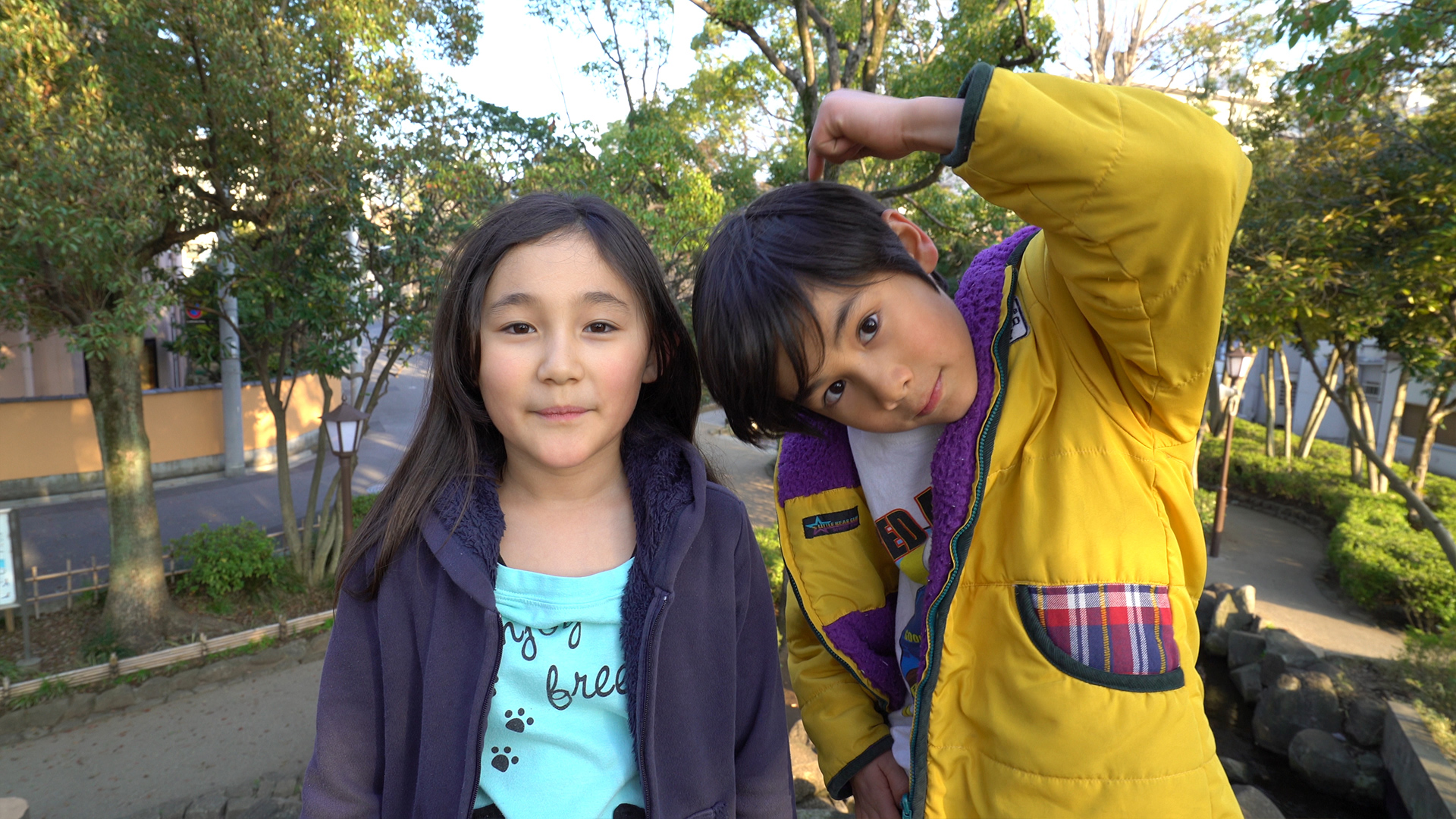
Ok, not every Japanese park is like this, but you can definitely find these river parks throughout Tokyo. Even though name on the sign for the park says river park, it’s more like a stream park.
The video actually starts off by showing you what a park found underneath a bridge or elevated train tracks looks like. Since space is limited, you’ll often find little playgrounds under such structures.
The vast majority of parks I’ve encountered in Japan come standard with a water fountain, water tap, and bathroom facilities. So, if you find yourself in Japan and are in need of refreshments or relief, you can usually find it at a park.
If you’re in Tokyo, it’s a good bet that you’re close to a konbini, which is what convenient stores are called in Japan. There you can get all sorts of fresh and packaged foods, as well as refreshments and washroom facilities.
The river park we walked along is very pleasant, and every, single piece of it is landscaped and maintained. Despite the intense human touch, the unnatural nature is still pleasant to stroll along. Even though some parts of Tokyo look like a concrete jungle, I’m glad that there are areas like this that act as an oasis from the hustle and bustle of metropolis life.
If you visit the water park in the summer, the maintenance crew will have screwed on the taps for the showers that are found at several water play areas. So make sure to take some gear that can get wet and some towels if you go.
What are parks like where you’re from?
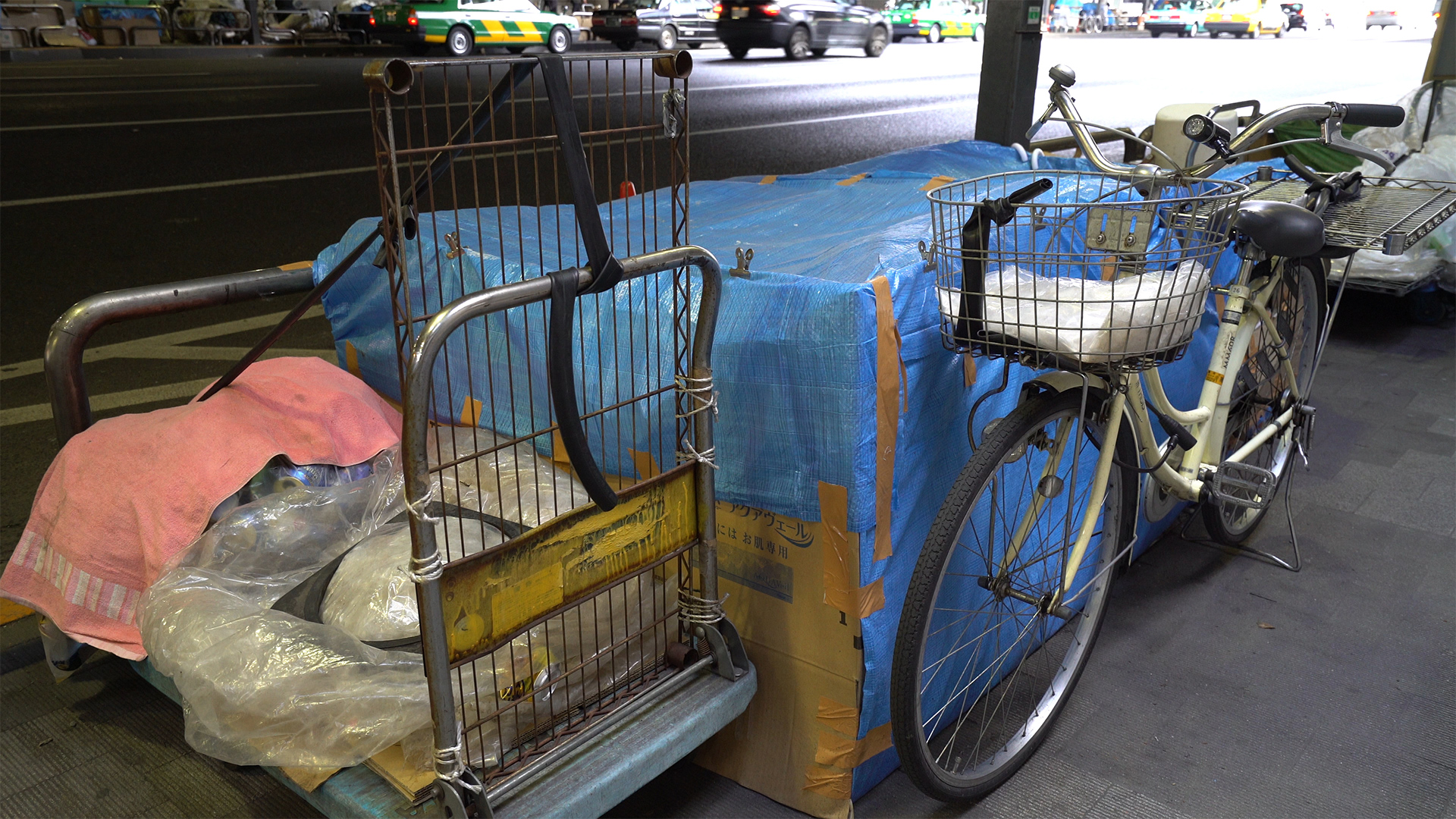
Join me as I go on a walk around Shinjuku, a major government and business district in Tokyo, exploring the living conditions of the visible homeless.(more…)
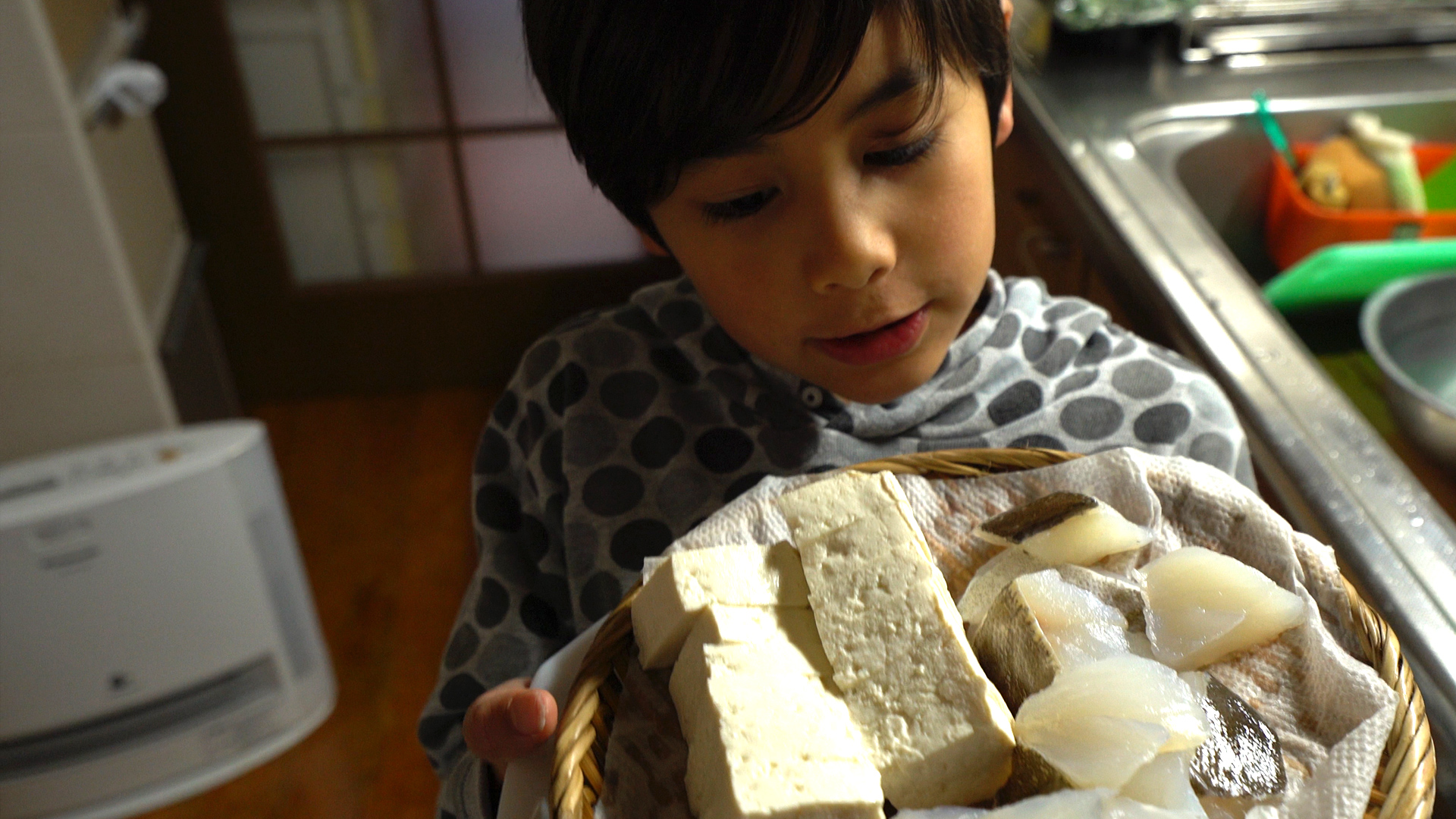
Nabe (鍋物) is simply the name of the dish (cooking pot), so when you have nabe, there really could be anything in it. If you’re from a country that has stews and soups in the winter time, this is the Japanese equivalent.
Since nabe is such a general term, you can have many different types of nabe. Meals like sukiyaki and oden fall under this blanket term. With the nabe we made in the video, we cooked as we ate, so you’ll notice that kept on adding ingredients over the course of the meal. This is different than how our family would make soup or stew in Canada, as we would cook all the ingredients all at once.
The broth (dashi) was simply made by putting konbu (kelp) in cold water and then boiling it. Some families will take the konbu out after the water boils, as it can make the broth taste a bit fishy. Our family just left it in and ate the konbu when it became soft. Additionally, our family didn’t put any bonito flakes (fish) into the broth, but it is common to pair up konbu and bonito when making Japanese broths.
Cooking nabe was very simply. After we had the broth, we added whatever ingredients we liked into it. To give the meal some extra flavour, we poured yuzu-pon (a citrus-y soy sauce) into dishes and then dipped the food in it before eating.
You may noticed we broiled saba (mackerel), had rice, oshinko, and udon noodles as part of the meal as well. These are not necessarily part of a typical nabe dish, but our family tends to always have these little side dishes added to a meal, no matter what we’re eating. This is really weird to me, as my British influenced family in Canada usually ate one dish meals. Unless we were celebrating a special celebration, we wouldn’t have a lot of different dishes.
If there is any leftover nabe at the end of the day, it is common to add rice to the leftovers and make a porridge out of it.
One last thing, even though we said rice is part of every Japanese meal, this is not really true and is a bit of a joke in our family. It’s very weird for us to not have some rice in our rice cooker. If we somehow run out of cooked rice and have no more grains left to make some more, mummy starts to panic. What’s the equivalent of nabe like where you’re from?
On March 11, 2011, the Tōhoku region of Japan had a massive earthquake and tsunami. The song 花は咲く(Flowers Will Bloom) was created to commemorate the tragedy. You can purchase the song and all royalties will be donated to the recovery effort. (more…)
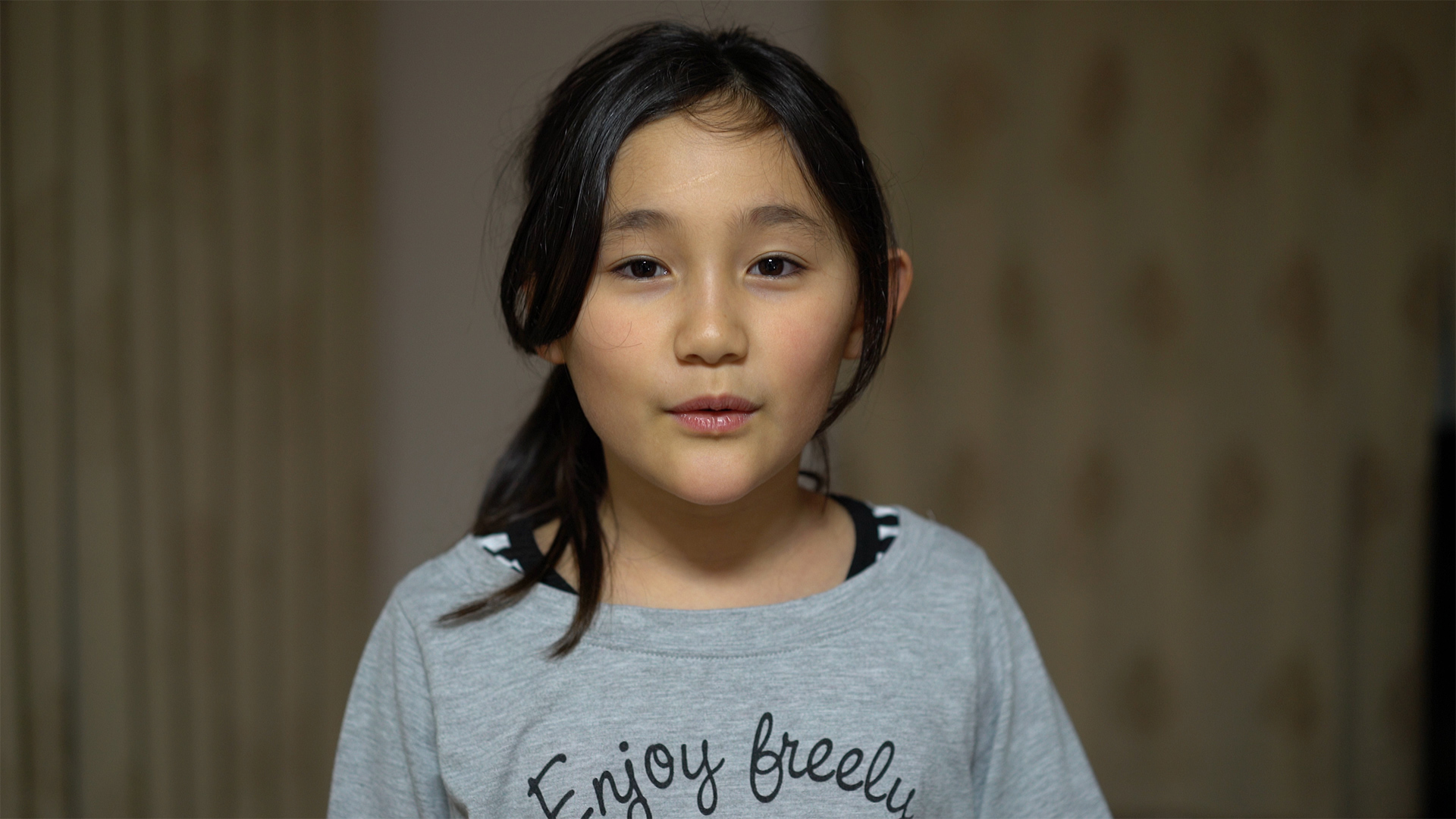
When I first visited Japan, I was eager to try out the famous onsens (hot springs), but very nervous about bathing naked in a room full of guys. While some aspects of Japanese culture is very open to nudity (like public bath houses and men’s toilets), it’s also one that is fairly conservative (in comparison to North America, women are modestly dressed).Jess from Jessica and Hai joins me to discuss nudity in Japan.