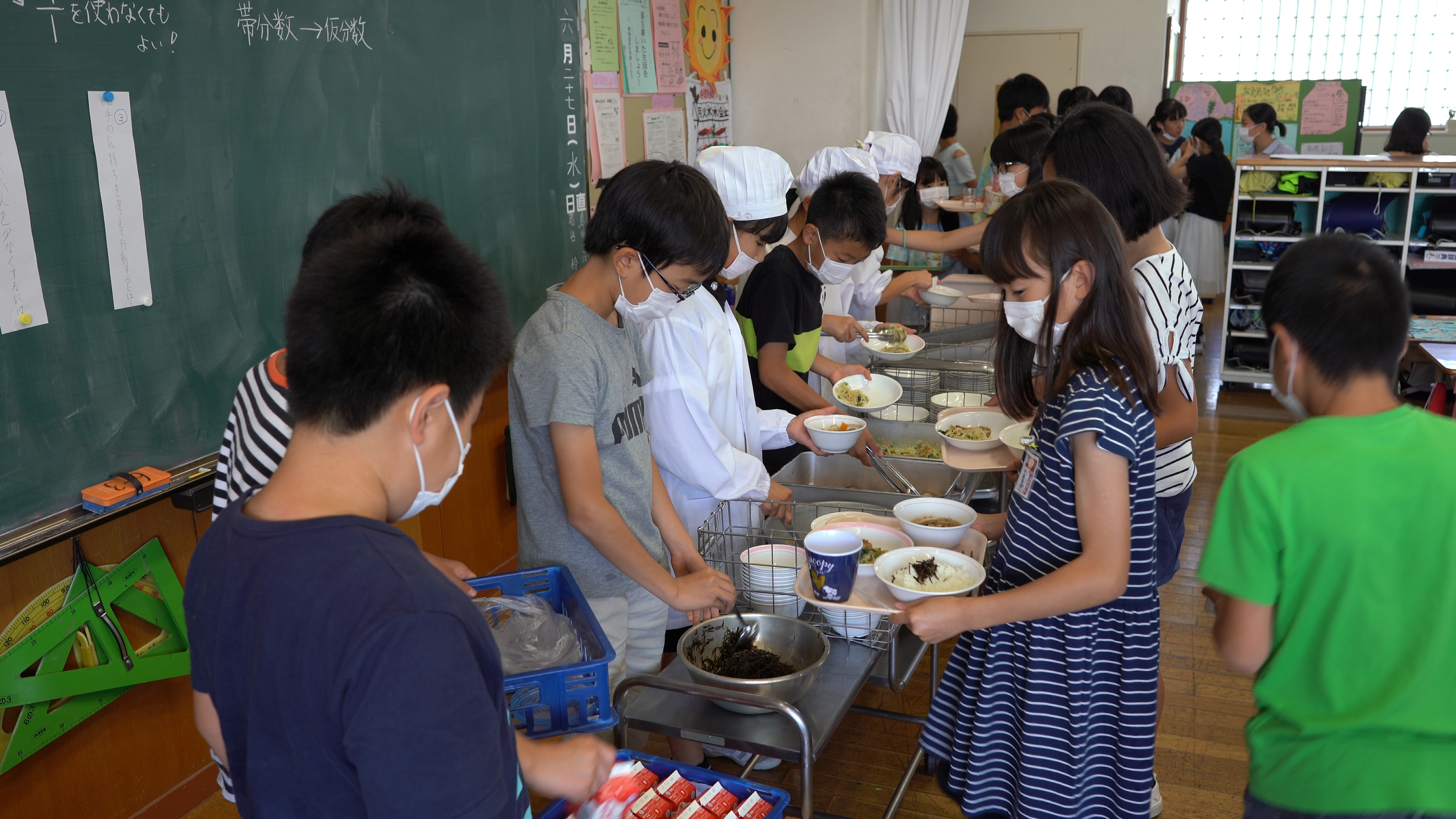
Ever since 1954, kyushoku (school lunch) has been an official part of the Japanese school curriculum. Over the years, the laws and menu items have changed, from adding the role of a nutritionist to including rice. Get an inside look into how the Japanese school lunch is made and what food education looks like in one of Japan’s public elementary schools.
Special thanks to Umejima Elementary School in Adachi-ku, Tokyo, that let me film over two days. You can see their school lunch menu at http://www.adachi.ed.jp/adaume/kyusyokulist.html.
SUBTITLES!
I have two English versions. The regular “English” only translates the Japanese portions. The “English UK” subtitles have captions for the entire video. If you don’t know how to change your subtitle settings, check out https://support.google.com/youtube/answer/100078.
This video wouldn’t have been possible without the generous support from those on Patreon. To support projects like this, please go to http://bit.ly/PatreonLWIF.
What’s school lunch like where you’re from?
Additional sources of information for the video are:
Hayato Ikeda By Koch, Eric / Anefo – [1] Dutch National Archives, The Hague, Fotocollectie Algemeen Nederlands Persbureau (ANeFo), 1945-1989, bekijk toegang 2.24.01.03, Bestanddeelnummer 914-5294, CC BY-SA 3.0 nl, https://commons.wikimedia.org/w/index.php?curid=36734208
Here’s the thing. I moved from Vancouver, Canada, to Tokyo, Japan. In Canada, I used to make more money, yet my quality of life is somehow better across the Pacific ocean. This is largely in part due to the cost of living being cheaper for my family. How could this be, in one of the most expensive cities in the world? (more…)
I often get asked “How’s Life in Japan?” What I think they’re really asking is what is the quality of life like. I live in Tokyo, the biggest metropolitan area in the world. It’s got to be a hectic life, right? The easiest answer I can give is “I bought a house”. (more…)
So, I made a Japanese travel guide video about what to do in the first 60 minutes after landing in Japan. There were a LOT of questions plus some very helpful tips given by the community. I wanted to share them with you, so here you go. The guide I reference, with most of the links, is at http://bit.ly/LWIF1HOURGUIDE. The only thing I know isn’t in there is Hyperdia for transportation routing, which you can find at http://www.hyperdia.com/en/. And oh yeah, here’s the link to the Japan Travel Wiki on Reddit https://www.reddit.com/r/JapanTravel/wiki/faqs/japantravel.
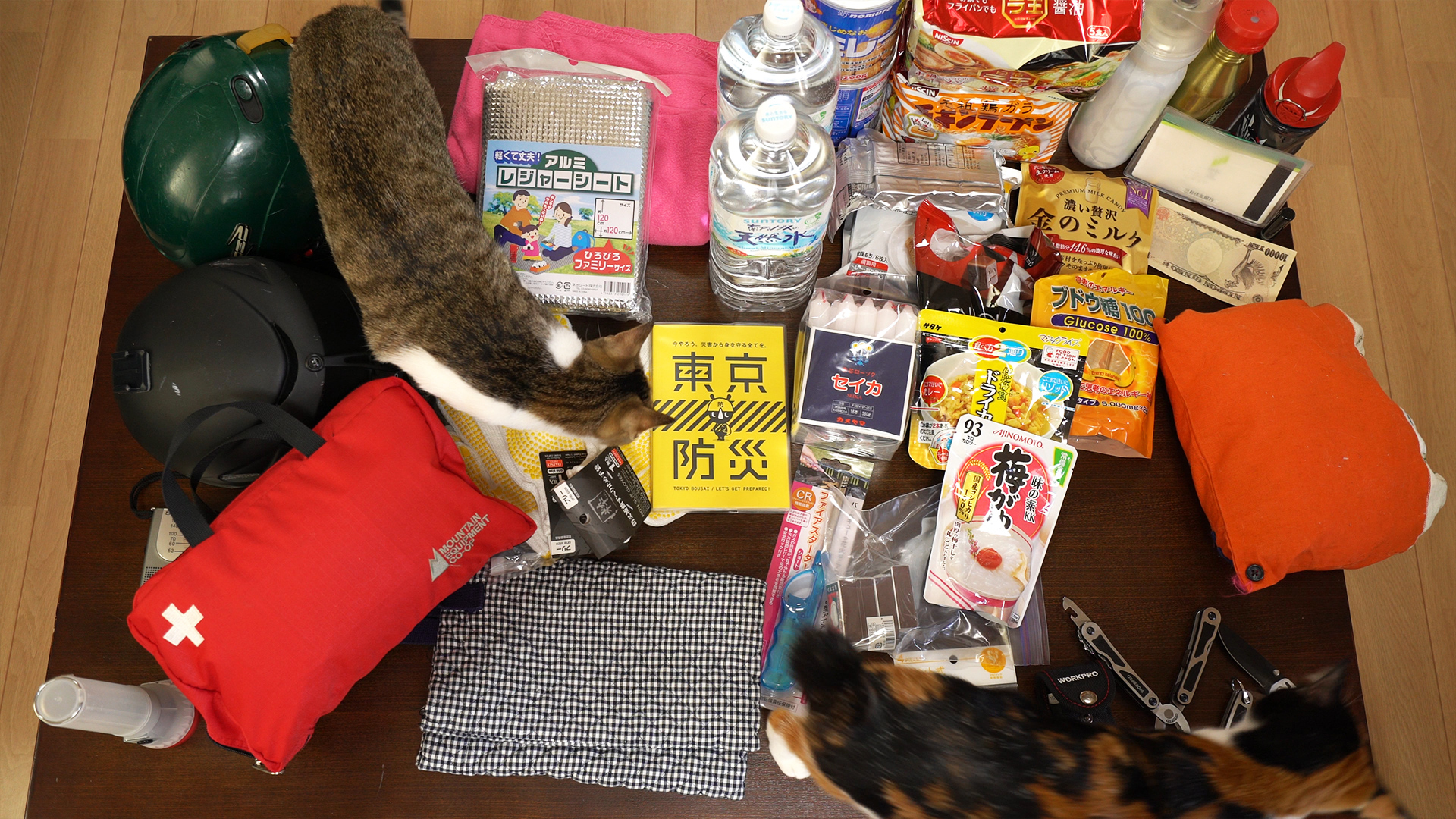
We have an earthquake emergency bag in our house, but we don’t actually know what’s in it, and in fact, we don’t even remember where it is! But we eventually locate it and use the handy disaster preparedness guide that the government of Tokyo sent us to check and see if we have the necessities to survive an earthquake.
Links
→ Disaster Preparedness Tokyo Free English Booklet: http://www.metro.tokyo.jp/ENGLISH/GUIDE/BOSAI/index.htm
→ Earthquake Survival Bag Amazon US: http://amzn.to/2EG6uBy
→ Earthquake Survival Bag Amazon Japan: http://amzn.asia/bKCM1gFWhat’s in your emergency bag where you’re from?
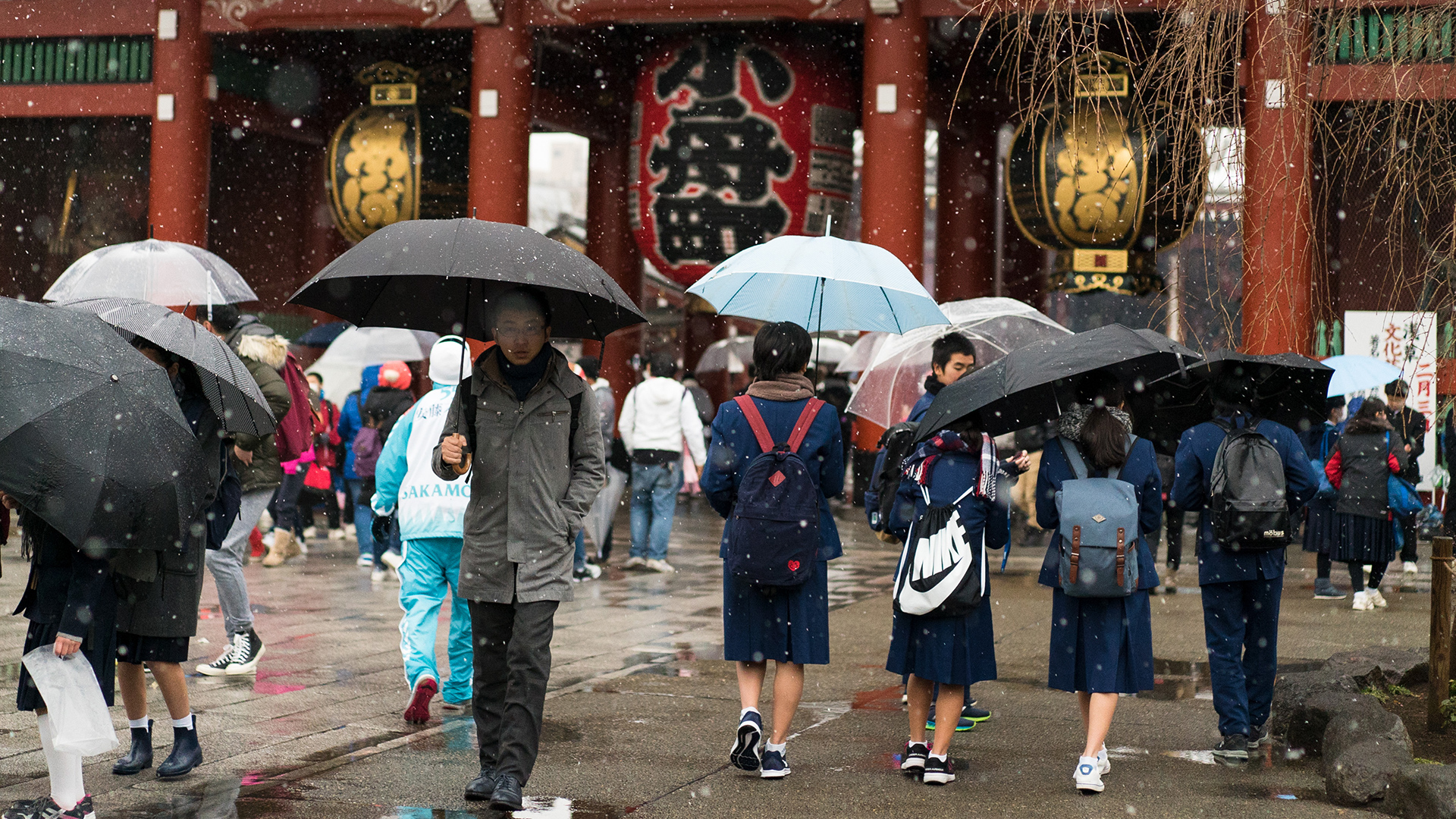
Woke up in Tokyo on February 2nd, 2018 to snow falling down from the sky. Since it only snows a few times, if that, in Tokyo, I packed up my camera and headed out to capture it before it was gone. I visited one of the biggest tourist traps in Tokyo, the oldest buddhist temple the city has, Senso-ji. (more…)
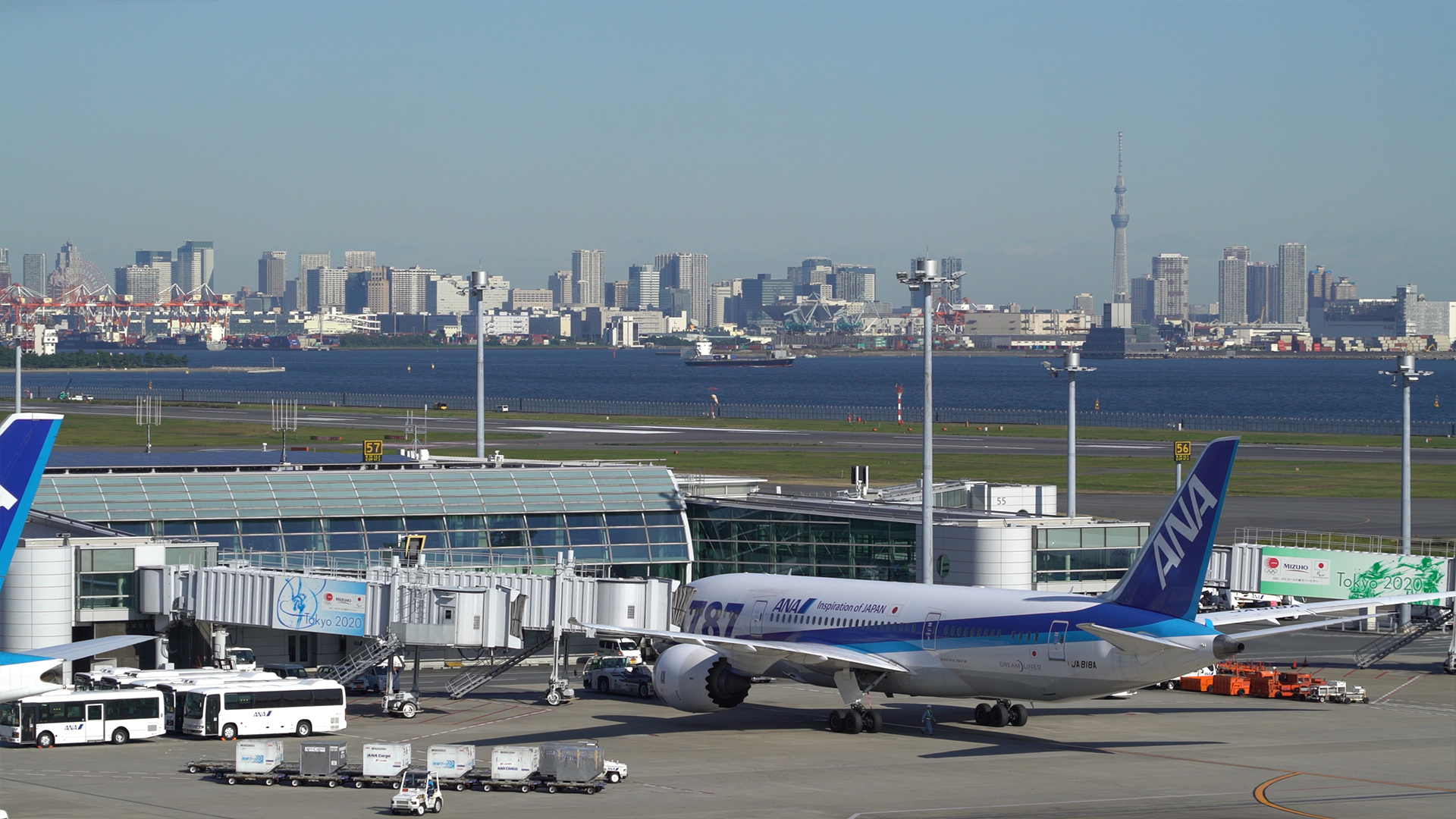
I’ve finally caved and made a video about how to get by in Japan when you first step off the plane. The fact of the matter, is that if you’re coming to Japan, you’ll probably be arriving at one of Tokyo‘s two international Airports: Narita or Haneda. For that reason, and the fact that I live in Tokyo, I’ll be covering this from the perspective of landing at those airports.
Here’s the things you’ll wanted to get sorted in your first 60 minutes. (more…)