Many people are aware that Japan has excellent public transportation. If you’re a keen observer, you may have noticed the many wheelchair accessible facilities, but perhaps have not seen physically disabled people make use of them. In this video, Yuriko Oda (Wheelchair Walker) and Josh Grisdale (Accessible Japan) show what it’s like to travel with a physical disability in Japan’s trains, buses, cars, taxis, and planes.
(more…)
Did you know that Tokyo has a volcano island where you can visit an active volcano in the morning and go snorkeling in the afternoon? The place is called Oshima Island.
Thanks to Tokyo Islands for sponsoring our trip. You can book a ferry to Oshima – or any of Tokyo’s islands – at www.tokyoislands.jp.
I was quite surprised when I first found out that Tokyo has a chain of subtropical islands to the south. Last year, we went to Shikinejima and Niijima. Niijima had a gorgeous white sand beach, while Shikinejima was a tiny island with fantastic little inlets to swim in with the kids.
The overwhelming feature of Oshima is it’s volcano, called Miharayama (Mt. Mihara). It’s an active stratovolcano, but you’re still able to hike right up to the caldera in the middle.
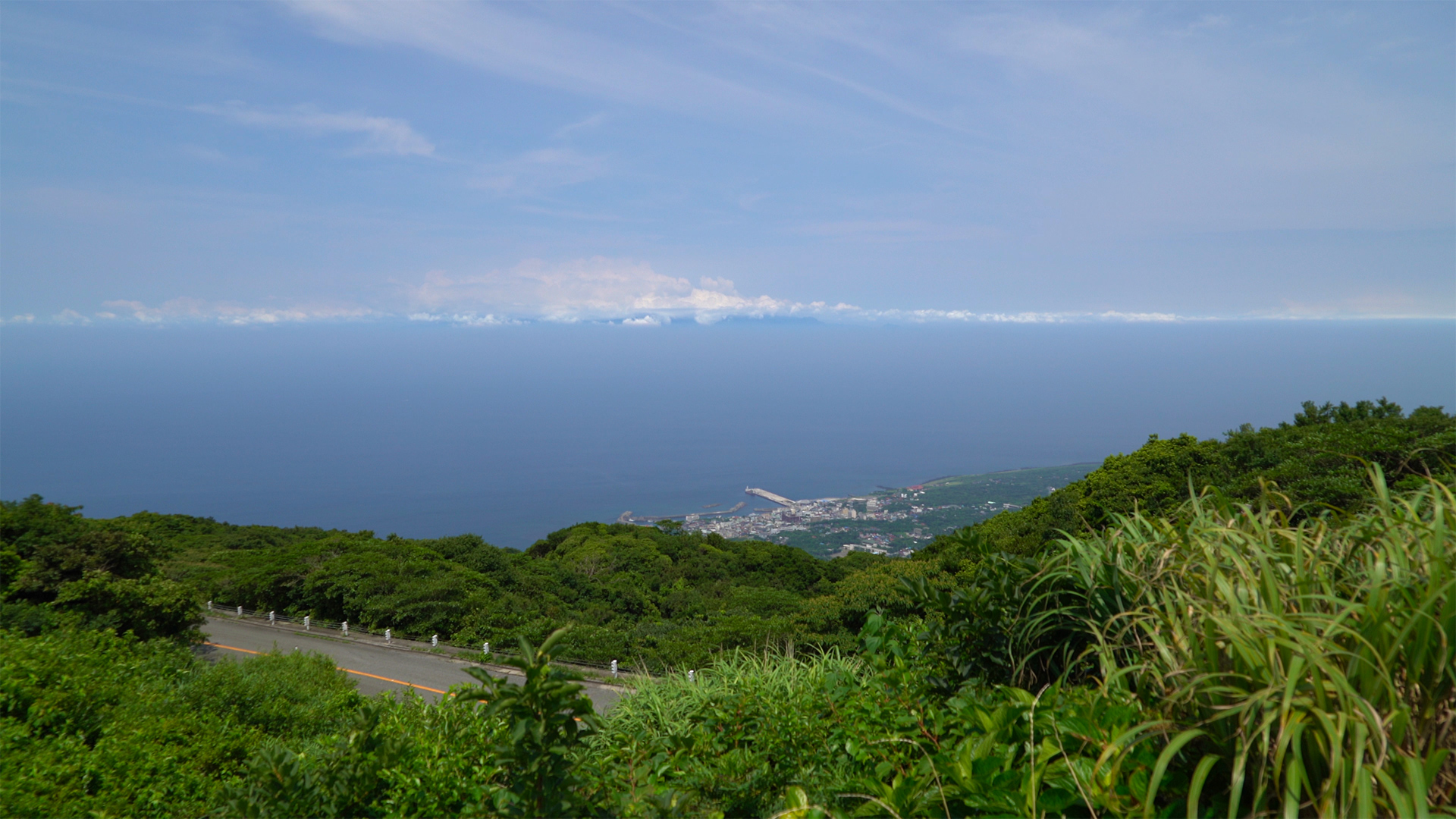
Mt. Mihara’s look out point
Something that is also unique about Oshima, is it’s black sand beaches, due to previous lava flows. Careful going barefoot though, it can get quite toasty!
Sanohama – (Black) sand beach
They also have some nice snorkeling beaches, like at Toshiki beach.
You can snorkel at Toshiki beach
If you’re into doing some mild cliff jumping, Akinohama is where you want to be.
Akinohama (Autumn beach) has a diving board on the little cliffs.
And if you have kids, then a safe bet is Hinodehama, which is protected by tetrapods, has some sand to walk on (instead of sharp corals), and a floating platform to swim out to.
Hinodehama (Sunrise beach) is great for families
One thing you’re reminded of when you’re on Oshima is the natural disasters that occur. On Mt. Mihara it has safety shelters in case of an eruption.
Safety shelters to hide during an erruption
By the beaches, you may see signs instructing you on where to go in the case of a tsunami.
Tsunami evacuatoin map
At the end of everyday, we stopped by the various onsens (hot springs).
Hama-no-yu open air onsen where you can enjoy a hot spring in a bathing suit
When it came to sleep, we enjoyed Mock Mock’s wood cabin, complete with ducks and hammocks.
Mock Mock
Before we went to bed though, we did a bit of stargazing at Mt. Mihara.
Stargazing at Mt. Mihara
All in all, the kids had a great time at this volcano island getaway. For a map of the places we visited, check it out below!
Do you have any islands you visit where you’re from?
Frequently Asked Questions
What’s with the swimming clothing?
Many people in Japan wear rash guards. They protect against rashes and sunburn. Our wears it mostly for the sunburn protection. They are swim wear, so while at first I thought it weird, I find it better than having to reapply sunscreen many times or to get burnt badly (learned my lesson while snorkeling for many hours)!
It didn’t look busy on the island, were there many tourists or locals?
In general, it’s not a very busy island. We went in the summertime, which is the most popular time of the year for tourists. I don’t think you have to worry about crowded beaches. There are people, but not so many that you’re worrying about too many people at any of the nature spots (We saw another party maybe every 20 minutes during our hike up Mt. Mihara). If you’re going to the onsens or certain restaurants, it can get busy, as it’s an island with a small population and only so many places.
Can the kids swim?
Sota, who is 13, is a confident swimmer, as you can see in the footage. Shoko, Aiko, and Shin (11, 10, and 7) all have swimming lessons once a week at a local pool, as well as mandatory swimming lessons at school maybe 10 or 15 days out of the year. They don’t learn to dive though, or don’t practice in the ocean with waves and in deep water, so they were nervous to jump in off a cliff. But yes, they can swim, but were quite timid in the ocean. The black sand beach had a big drop off right where they were, so It was important to have an adult right there holding on to them. Toshiki beach (the coral beach) is very sheltered and fine to swim alone. Akinohama beach (where we doing the mini-cliff jumping) is fairly sheltered, but it’s quite deep (and you can see down to the bottom), so it can be nerve wracking for those who aren’t used to it. Hinodehama (the one with the blue platform where you didn’t see footage of the kids swimming) is the safest beach, in that it’s very protected, gets gradually deeper, and has some sand for the base (as opposed to coral). I have a map of all the beaches we visited up above.
How much does it cost to travel?
Tokyoislands.jp, the people who sponsored us, has a whole site that has links to ship ferry bookings and accommodations. You can find the prices there. But, the ferry for our family of four, cost ¥46,640, while the B&B was ¥45,200. Car rental was about ¥7,000 a day (so a total of ¥21,000). However, Oshima had a landslide 3 years ago, so Tokyo provides ¥3,000 per person (even kids), per day (up to 2 days) to go there. So, we got ¥24,000 in local cash that we could spend (which we paid to the B&B). So, for a family of four on a two night / three day stay, it was about ¥90,000, which includes breakfast, transportation, and accommodation. Add to that whatever spending money you want for food, souvenirs, and activities. The activities we did were free or very cheap, but there are some things like scuba diving that you could do that would put your more out of pocket.
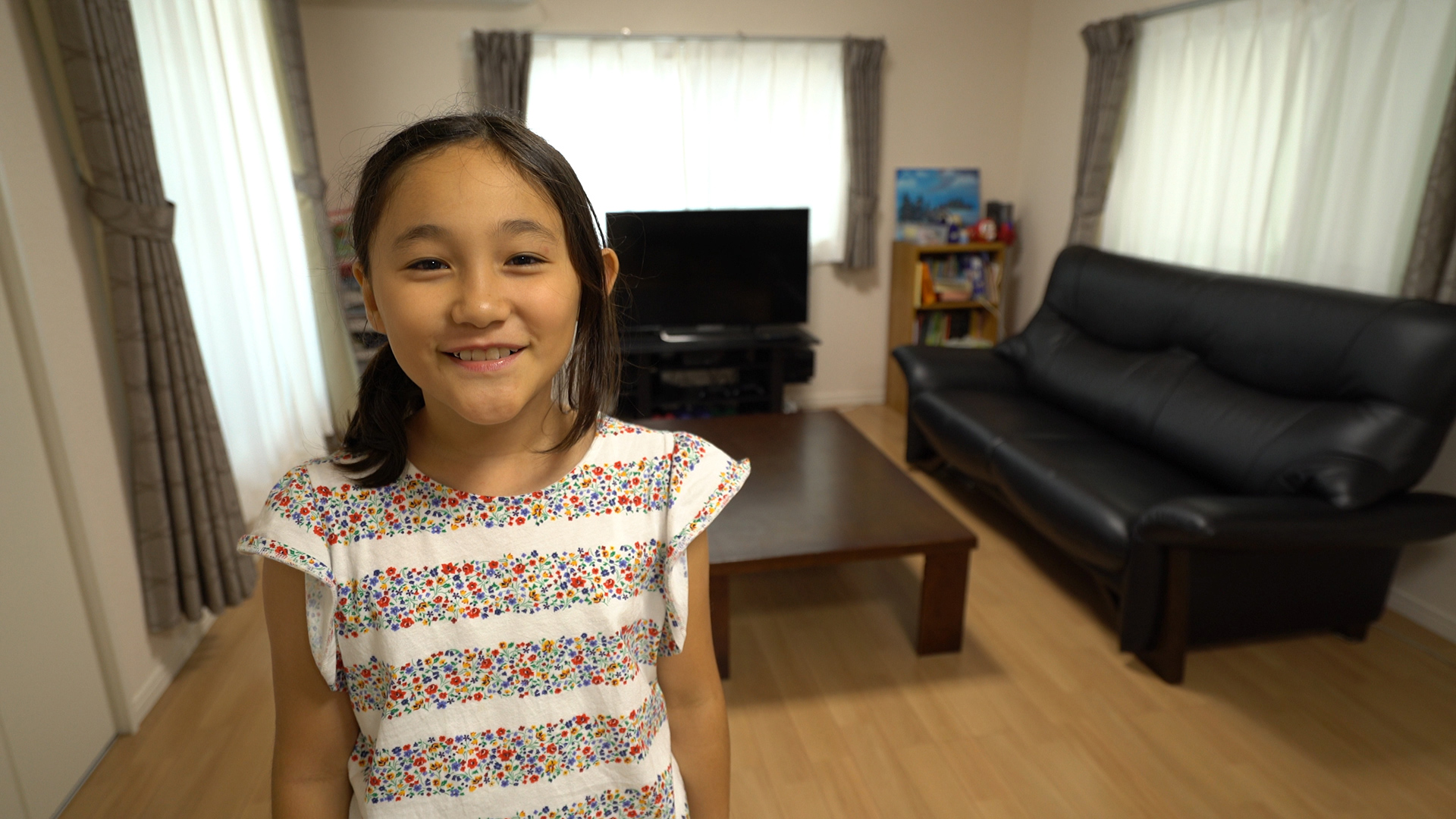
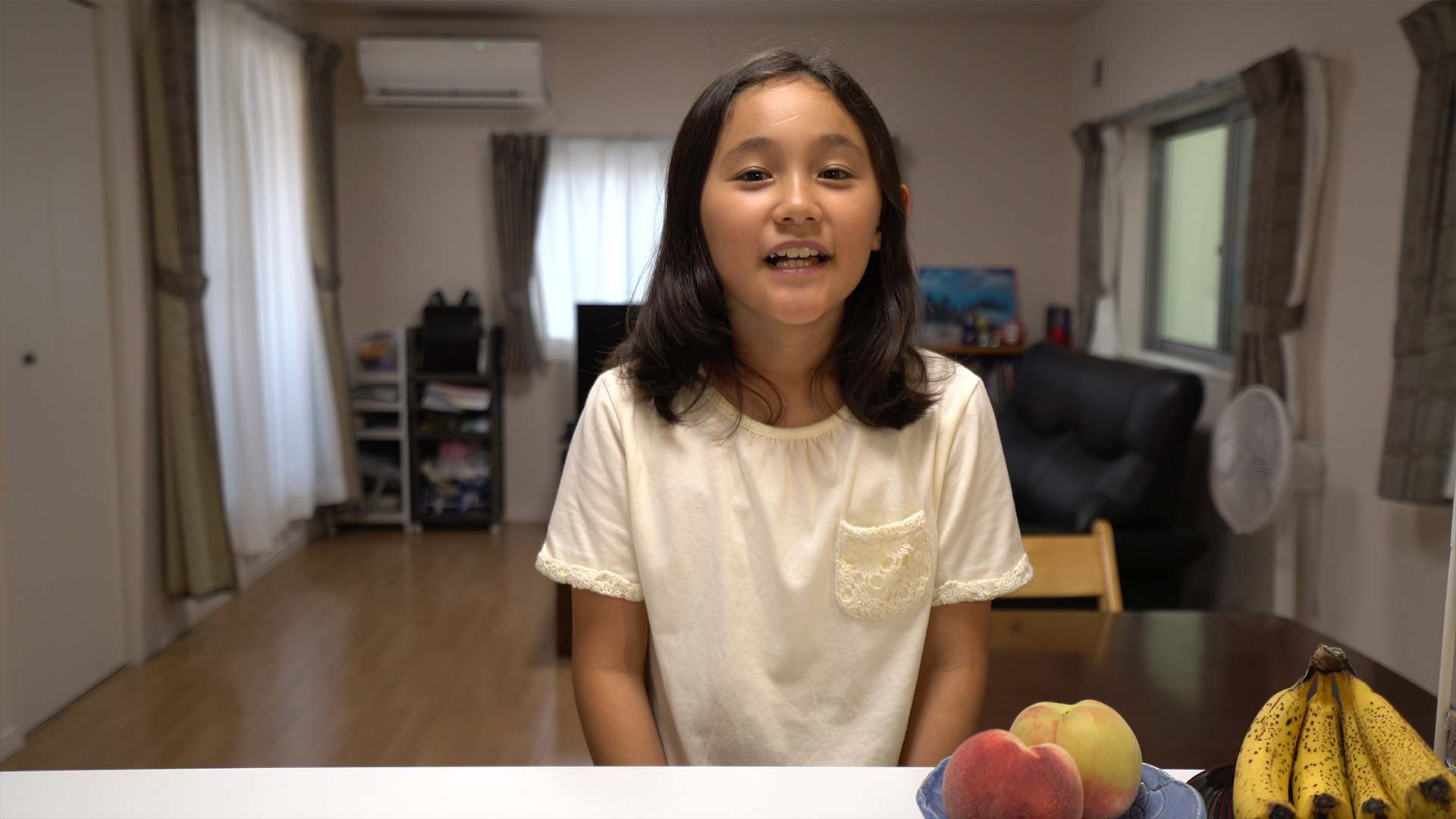
Since everyone showed us what they’re living rooms were like, we’re now going to show you what our Japanese living room is like. We looked at a lot of new homes before we bought this one, and this is quite a large living room / dining room / kitchen floor plan. It’s 十八畳 (18 tatami mats) big, which is roughly 30 m² (323 ft²). I’d say the average that we’ve seen is more around 15 tatami mats, which is roughly 25 m² (269 ft²). Keep in mind, this is for the LDK area (which stands for living room, dining room, and kitchen).
The floor area of our three storey house is 101.25 m² (1,090 ft²). The average floor area of a home in Japan is 94.85 m² (1,021 ft²).
While our living room doesn’t have any tatami mats, they’re common in older homes, and in fact our relatives have them in theirs. They can be found in new homes, but they tend to be located in a separate room that’s attached to the living room and separated by a sliding door.
Dining tables and couches weren’t standard items in the past, but I think they have now become de facto items for families moving into a new home. Previously, a sturdy, low table (like an oversized coffee table) and perhaps some cushions was all that was needed. I’ll still visit homes where that’s the case (although they tend to be older homes).
Like most developed countries in the world, TVs seem to be a common fixture. You’ll also see rugs on the ground as well (since it’s quite normal to sit on the ground Japan).
Lighting is generally achieved by overhead lights. There’s a standard ceiling receptacle that makes it easy to attach a light to it, no tools necessary. Also, your basic LED light will come with a remote.
Most Japanese homes don’t have central air, and thus cooling and heating will either be done by floor units (like fans and floor heaters) or hvac units mounted against walls called aircon (エアコン).
Our home doesn’t have any picture frames attached to the walls, but you can find people who decorate their homes with them. I’d say though, that having picture frames on walls is more popular in Canada than in Japan, perhaps because of earthquake concerns?
To see what living rooms around the world are like (and to submit a video of what your kitchen is like), please check out this page.
In our update video, we asked the community to send us videos of their living rooms, and they did not disappoint. We received living room videos from:
(more…)
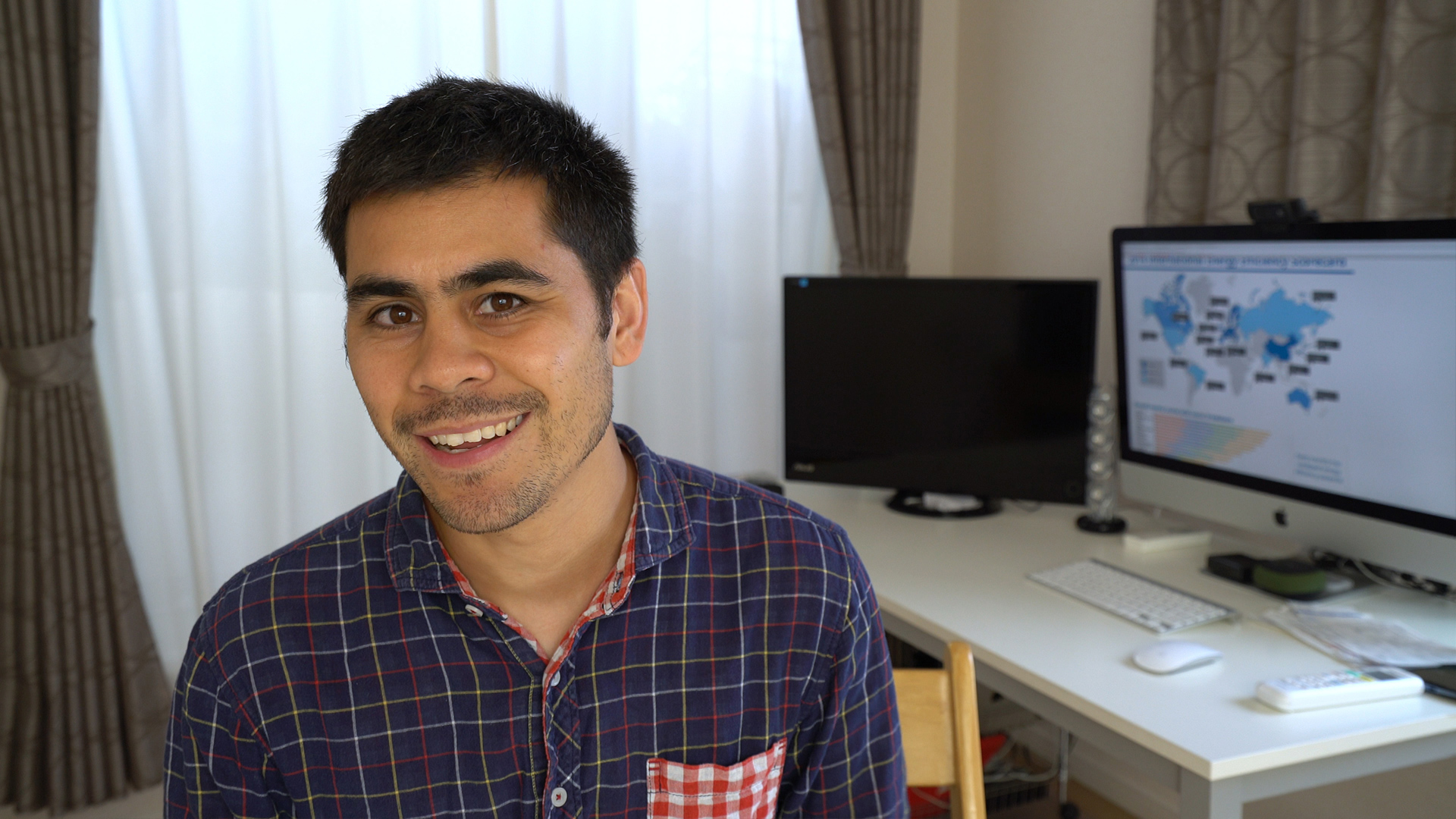
Japan uses roughly 1/2 the energy per capita than the United States or Canada. But why is this? I explore the different energy uses and how Japan differs, from home sizes, to heating and cooling, to public transportation, to cost of electricity and gas. (more…)
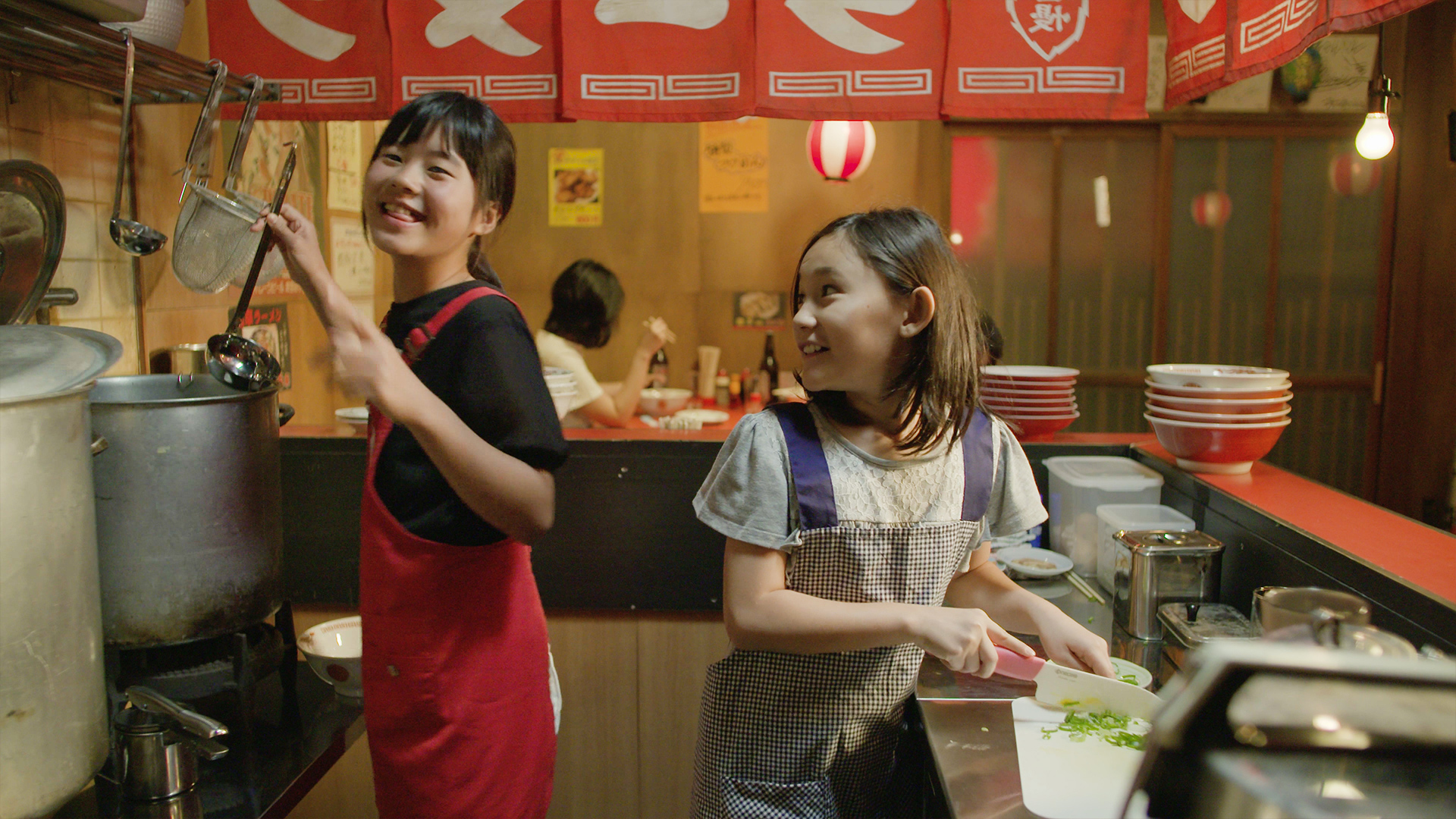
On a visit to YouTube Space Tokyo, we were shown the set for the ramen shop. The kids thought it was neat, so we gathered up some family members and the kids made a mini-drama (ドラマ) out of it. It was all for fun, so don’t take the acting too seriously 🙂 (behind-the-scenes footage down below!) (more…)
I’m one of those people who enjoys life in Japan, but it doesn’t mean that I like everything. Here’s 10 little things that bug me about living in Japan. (more…)
Hakone is a beautiful mountain region about an hour’s train ride out of Tokyo Station. The great views of Mt. Fuji it offers up, it’s ample hot springs, it’s scenic nature, and it’s close distance make it a popular getaway for those living in Tokyo.
If you’re a transportation buff, then you’ll assuredly enjoy visiting Hakone, as you can experience riding on a:
Mountain climbing train
Mountain climbing cable car (funicular)
Ropeway (gondola)
Ship
Bus
You can get a Free Pass (which is not free) that lets you travel on all the transportation methods above.
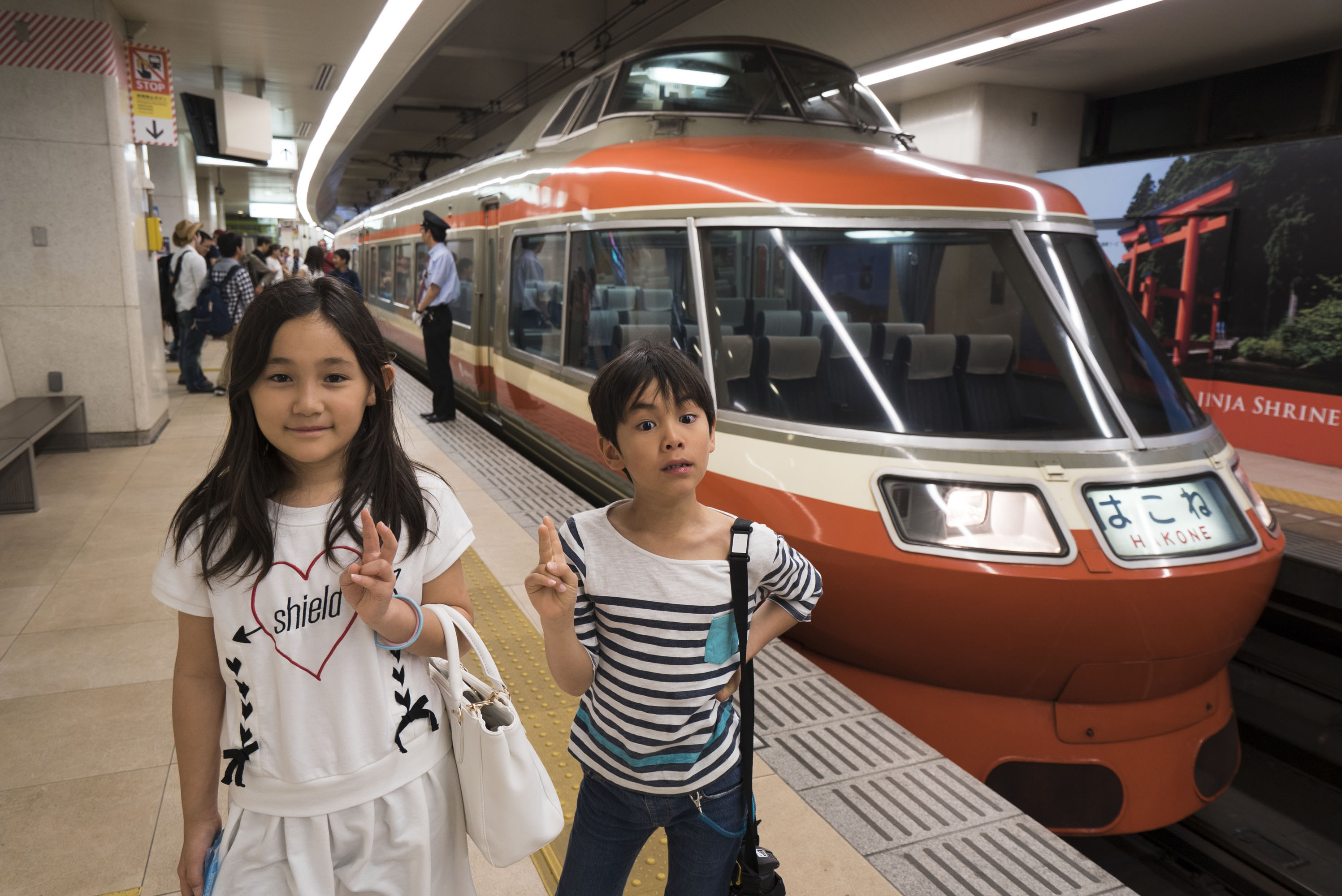
Also, if you’re going to Hakone from Tokyo, you can also travel there by Romance car (which is not really romantic), but they do have some neat trains.
Hakone was once a checkpoint on the Old Tokkaido highway. So, we visited visited Hakone Sekisho, which was put in place in 1619 by the Tokugawa Shogunate as inspection facility for those entering Tokyo. From the Hakone Sekisho website, I quote,
“One of the main roles of sekisho was to control ‘incoming guns and outgoing women’, which means to prevent weapons from being brought into Edo and wives and children of feudal lords from fleeing from Edo. However, Hakone Sekisho did not inspect ‘incoming guns’, and severely inspected ‘outgoing women’.”
There’s so much to explore in Hakone, from the multiple museums, numerous onsen’s (hot springs), nature trails, and of course, shops, that you’ll be hard-pressed to be be bored.
If you’re truly trying to get away from the hustle and bustle of Tokyo, you can get away to some extent, but it’s not like you’re travelling to the inaka (countryside).




 Hakone was once a checkpoint on the Old Tokkaido highway. So, we visited visited Hakone Sekisho, which was put in place in 1619 by the Tokugawa Shogunate as inspection facility for those entering Tokyo. From the Hakone Sekisho website, I quote,


