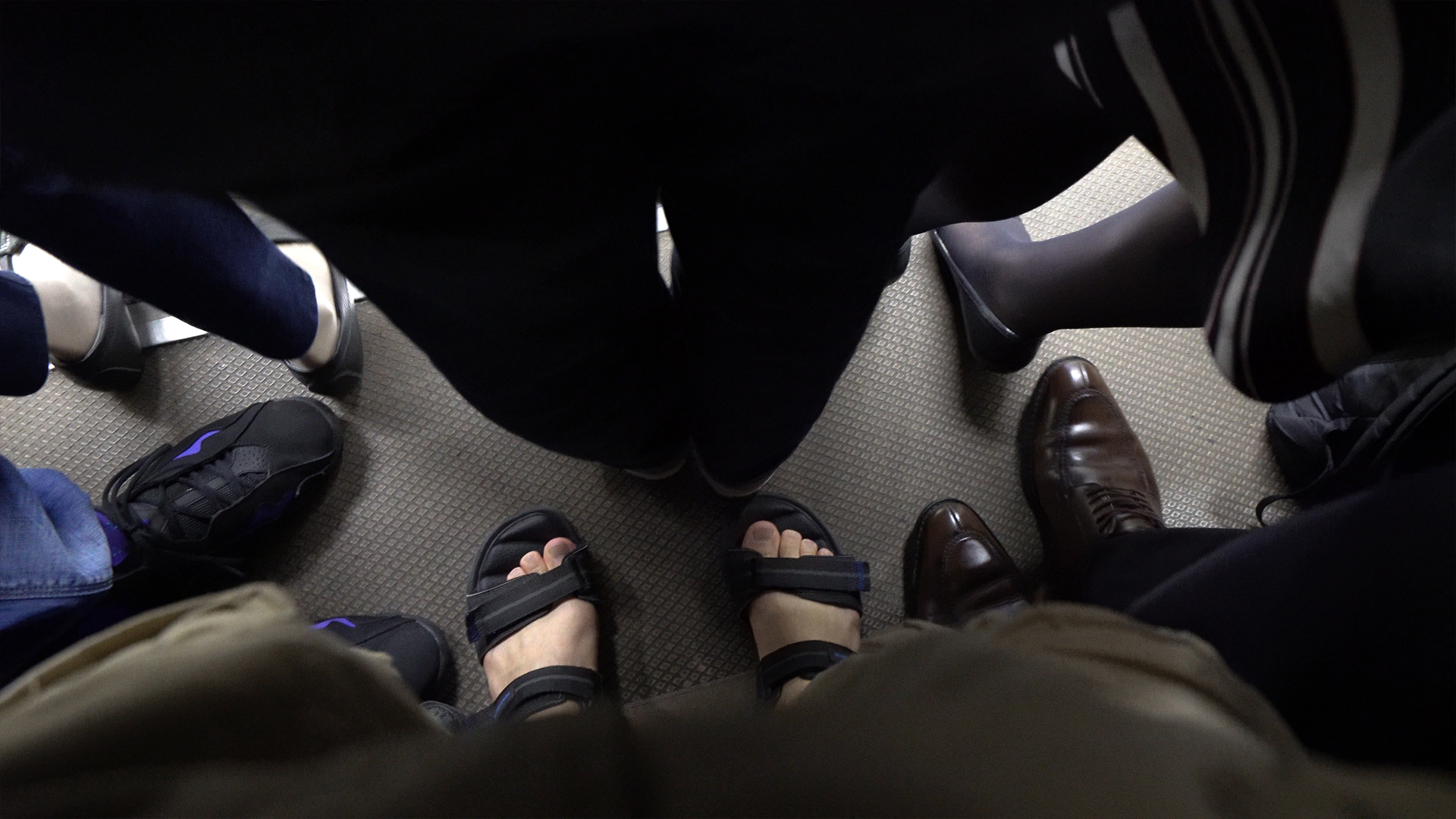
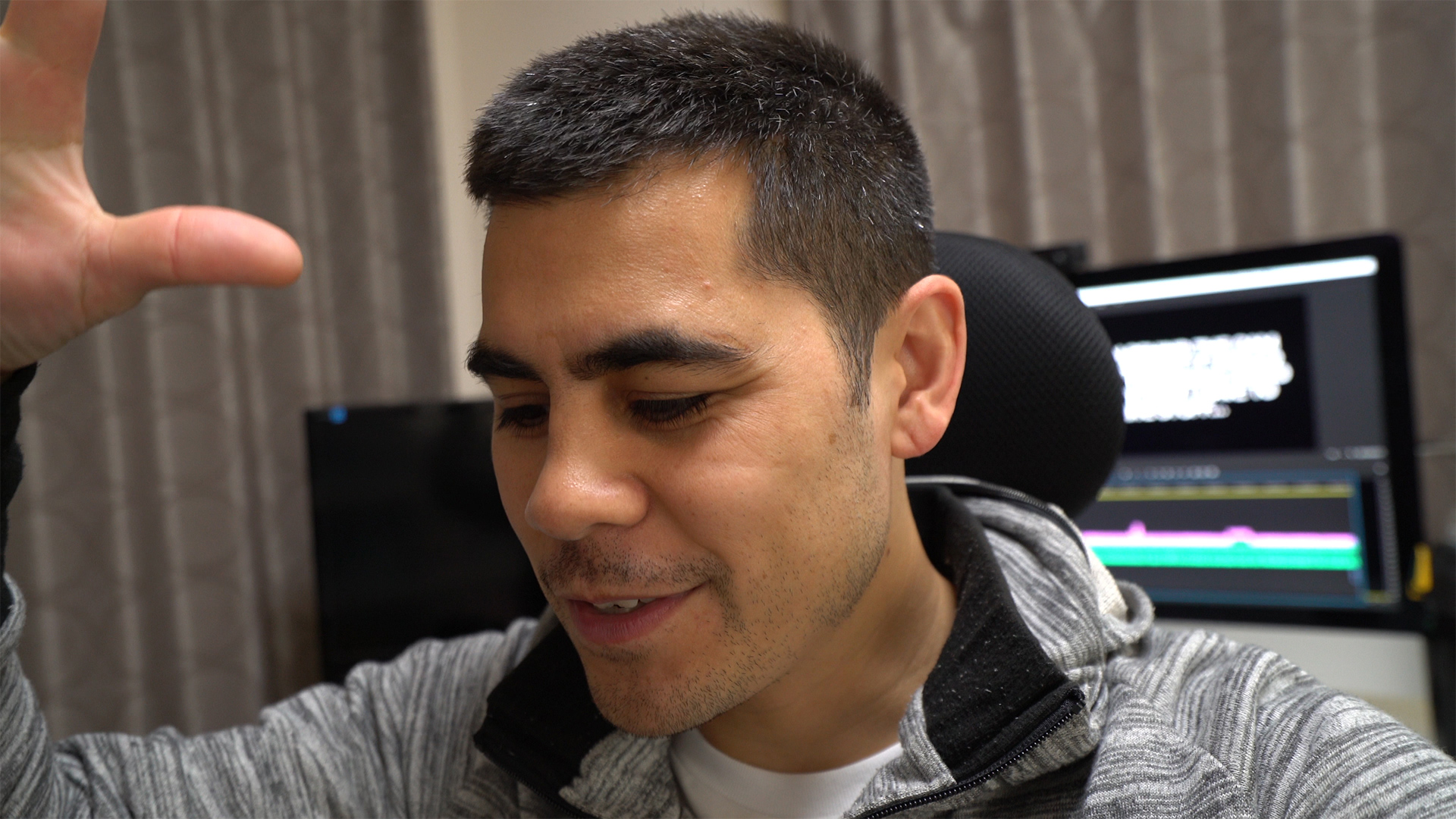
Despite living in Tokyo for 3 years, I’ve been lucky enough to not have to do a daily commute, as I mainly work from home. I’ve decided to try and level up my Japanese from horrible to bad, so now I get to experience the morning commute on my way to school. Here’s what my commute by train and subway in Tokyo is like. (more…)
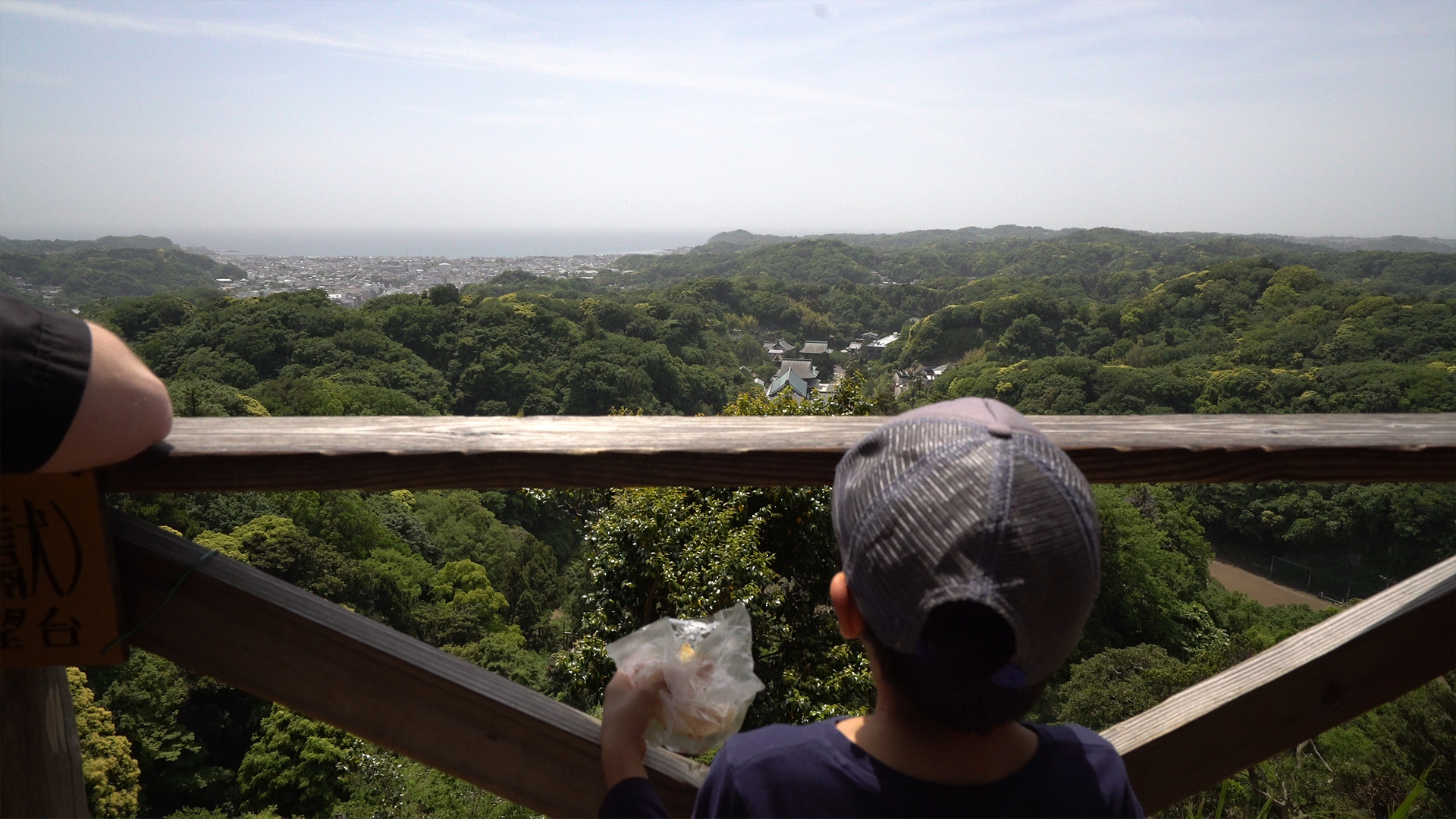
Our friend Strawberry Mochi for invited us to hike the Ten-En Hiking Course. It was only Shin and I on this one, and he had tons of fun making up his own points game, which he also inexplicably won! (more…)
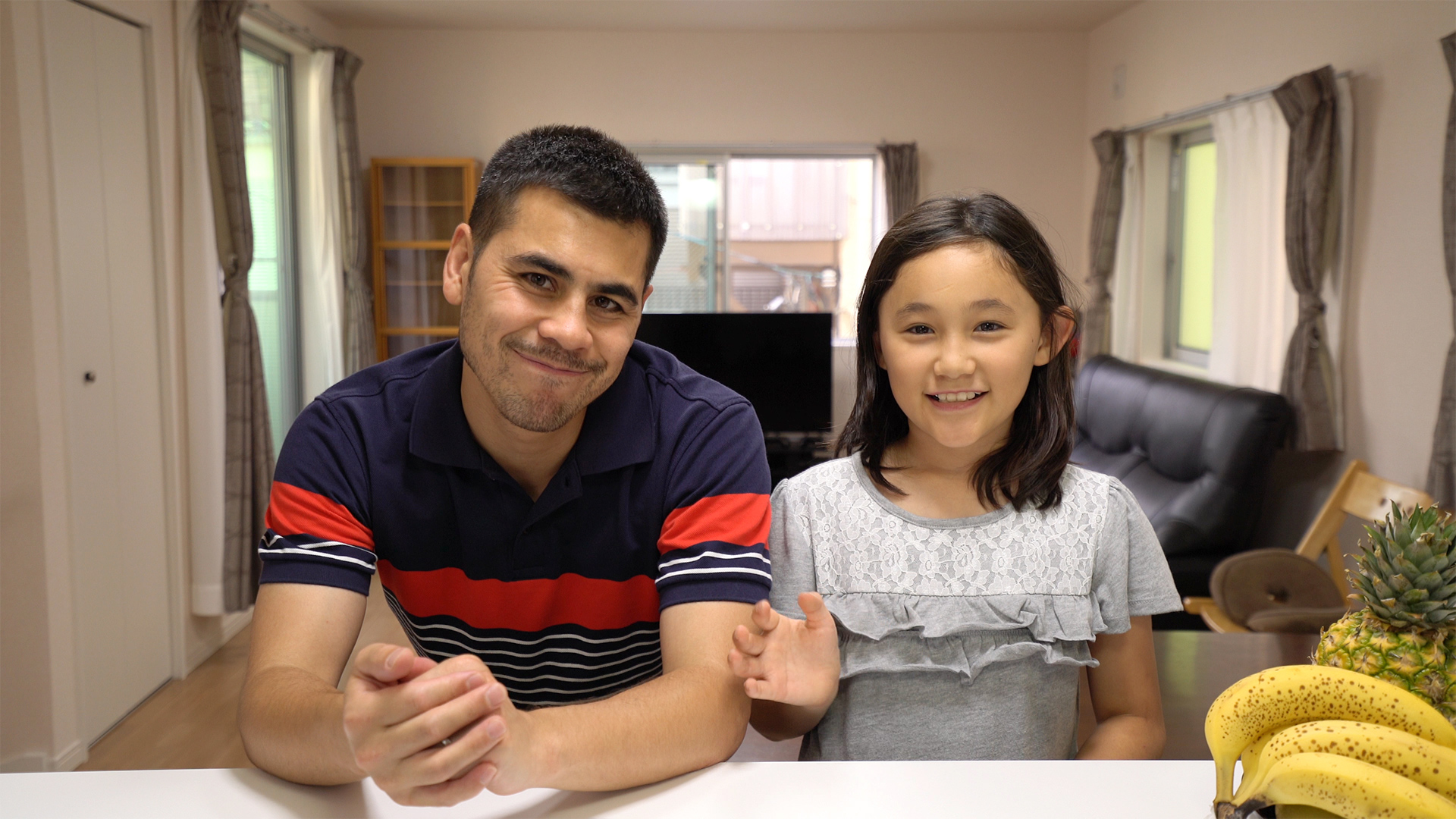
In the last videos, I talked about why I started the LWIF channel and what it was like to go viral and be “famous” (it’s in quotes for a good reason). This one is probably the most nerve-racking video I’ve ever released. I’m letting people see my inner dialogue for the past half year, and asking them to weigh in on my future. (more…)
Thank you so much for your interest in submitting a video to us. We’ve had people from all over the world get in touch!
I know it can be intimidating to shoot your own video. I’ve shot hundreds of videos and still screw up, am unhappy with the results, and am unsure of what to do. Some have asked about what to shoot or how to go about doing it, so here are a few tips on how shoot a video showing off your living room (as seen in our request video here).
https://youtu.be/Z1np6VPz2Io
After you read these tips and instructions, the form for submitting your video is at the bottom.
Thanks everyone! I’m looking forward to seeing living rooms around the world!
Deadline: June 18th, 2016
The room
Some people have more than one room that could be considered a living room, like a dining room, entertainment room, family room, or play room. It’s cool to show the different rooms and what they’re used for.
Some people may have a single multipurpose room, like in Japan, which usually has a LDK room (which means living room / dining room / kitchen). It’s okay to show a single multipurpose room if you don’t have a dedicated living room.
Shooting style
If you want to move around while shooting, that’s okay, or if you want to sit down or stand in front of a camera, that’s also okay. If you can manage to get someone to shoot you, that’s the easiest, as they can worry about how the shot looks like and how you sound, while you can focus on presenting. Also, you can simply be off-camera reading something.
The videos should have 1-3 still shots, meaning you just hold the camera steady for 10 seconds, not moving it.
The videos shouldn’t be 1-5 minutes (but if it’s really interesting, sure, do longer if you like).
What to Say
You don’t have to be in front of the camera, but if you can manage it, it would be nice if you get in front of the camera and tell us your your name, as well as the city and country you live in. For example:
“Hi, I’m Greg. I live in Tokyo, Japan, and this is what my living room is like.”
Let us know 3-5 points about your living room that you think are interesting, like:
“There’s usually no separation between a living and dining room. They’re in the same space and I find it tends to be a lot smaller than what you’d find in Canadian and American homes.”
“It’s not uncommon to have no couches or chairs, although it’s becoming more and more standard to have them. I’ve been to places where there’s a large coffee table that people sit around and eat their meals. Most people nowadays to tend to buy small couches, but a kitchen or dining table is not as popular as couches.”
“For lighting, having a single light or two attached from the ceiling is the most common. You don’t often see lamps that you’d plug into a wall socket, like the one’s a lot of people buy from Ikea.”
“Sometimes the floor is made from a tatami mat. In older places, it was very common to have tatami floors, while in newer, big places, some houses will have a special tatami room that’s separate from the main living room (usually separated by sliding doors).”
“In really old Japanese homes, they would have a kind of fire pit in the middle to cook food with. But, I’ve never seen a Japanese homes with a fireplace and a chimney that is built into a wall.”
Editing
I’ll be editing the videos together, so there’s no need to edit with music. But you can definitely feel free to cut out any bad takes / scenes and combine all the footage into a single video to send.
We shoot in 4K, but obviously don’t expect that quality of footage. Just send whatever’s the best resolution you can, and if you have to encode/render the footage from editing software, just make sure to export quite high quality footage.
Submitting
Put the video in Google Drive and share it with us. If that’s not possible, any file sharing service such as Dropbox is ok, just share the link with us. We’re trying to avoid downloading the video’s from YouTube since the quality is not as high. There’s a form below that you can use to submit everything.
What will happen with the videos
Unfortunately, there’s no way to include everyone’s living room for a significant amount of time. The plan is to pick 5-10 countries (depending on the uniqueness of the rooms) and feature a room (or maybe 2) per country. However, since there are so many people interested, I want to offer this: If you make and post your own edited video on your own YouTube Channel, if you give us the link (via the form below), we can put it on the lifewhereimfrom.com site. So please feel free to publish an edited video on your own YouTube channel, whether or not your living rooms gets featured in the published LWIF video.
Another thing I’d like to point out, is that as interesting as your place may be, we can only show a minute or two of any one place. But, you may have 10 minutes worth of interesting content to show the world. So even though I’m looking to only use so much footage in the LWIF video, by publishing your own video on your channel, you can make the video whatever length you want!
If collab videos like this are a success, we’d consider collaborating with a single person on a full length video, providing the style is similar to what we do at LWIF. I’d be quite cool to help somebody launch or build up their own channel and maybe doing a few videos with us can help.
Questions
If you have any questions, just leave a comment below. Don’t be worried about making a mistake in the video or in submitting the form. I’m new to this too, so am fully expecting all of us to make stuff, break stuff, and learn 🙂
What kind of videos? Videos of your living room. We had previously asked for your videos in general, but found it difficult to make a video out of comments, pictures, and videos that had no central theme. So, we’re going to try and ask for a very specific video, which is a video of your living room.
How to submit?
Contact us and we’ll go from there. We don’t know how many submissions, and from which countries, so we’d hate for you to record something and then have us not use it. So if you let us know you’re interested, we’ll email you back and let you know if we could use your footage or not. Thanks!
There’s a new X Channel!
Yeah, Daddy (the cameraman) now has a channel. It’s basically the adult version of the LWIF channel. It also has some behind-the-scenes look into making videos. The content should mostly be kid friendly, but it’s stuff that kids would probably find boring.
We got a new home!
Many already figured this out, but I guess we should confirm that yes, we do have a new home.
What video should we edit next?
Use the YouTube poll in the info icon of the video to choose between a ryokan hotel (traditional Japanese hot spring hotel), our visit to Hakone where we’re up in the mountains and take countless modes of transport (including an old mountain train, gondola, and pirate ship), or when Shin goes hiking with Strawberry Mochi in Kamakura.
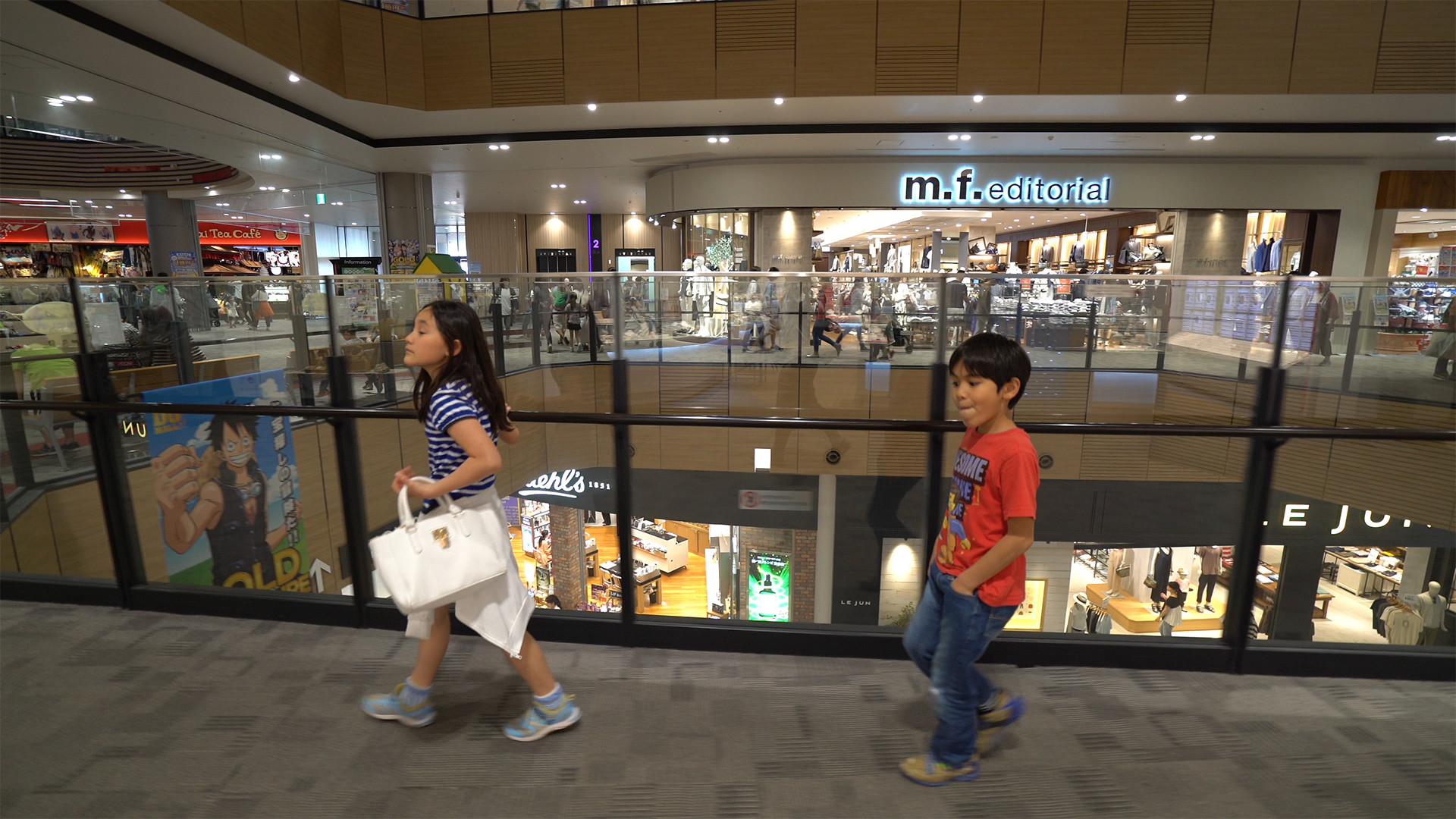
Aiko and Shin visit a big shopping mall, which is located just outside of Tokyo in Chiba. It is made up of 4 buildings, which each building having three floors (We said 5 in the video, but we were counting the grocery store / Aeon centre as a separate building). If you want to check out the stores and mall layout, you can do so here. The mall is made up of the Grand Mall, Pet Mall, Active Mall, and Family Mall. It was built in 2015, so is quite new.
The mall is also has tax-free shopping for foreign visitors. Would I recommend visiting the mall? It’s quite hard to say. There are so many shopping experiences to be had in Japan, and if you were going to only go to one type of shopping place, I’d probably recommend going to Odaiba. But if you’re in the area and want to go shopping, it’s a nice mall with stuff for everyone in the family.
I should also mention, if you’re craving a real American hamburger, Village Vanguard Diner is hands down the best burger place I’ve eaten at in Japan so far.
Last week I talked about how the Life Where I’m From channel came about. This week, I talk about what it was like going viral and how Aiko felt about becoming Internet “famous”. (more…)
This video was originally titled “My Experience with YouTube so far”, but then the single video I wanted to make became a whole series. This is now the first part in a multi-part videos about my experience with YouTube so far. I said from the get go that this X channel is for lots of things. While I’ve previously used it to expand on the content from the Life Where I’m From Channel, today I’m going to use it to go inwards and take you behind the scenes. I want to talk about the why and how it was made. As such, this will probably be much more interesting to those that create, or want to create, videos themselves. If you’re simply interested in Japan, this video may not be your cup of tea. Onwards and upwards.
One of the most frequent questions I get asked is “What do I do?”
Sometimes I don’t really know. Am I a communicator? Educator? Investigator? Business Guy? Video Guy? Freelancer? Entrepreneur? All of those things? What I do know, is that I like creating things. Ever since I was a kid I always wanted to be an inventor. I like to solve problems, which means trying to understanding them.Am I a YouTuber, a Vlogger? (Which by the way, I now know how to say properly. Even though I’ve heard the word a hundred times, I always think v log instead of vlog. It’s kind of funny to me, because I would never say b log instead of blog.)But I digress. Am I a YouTuber, a Vlogger? After much thought, I’ve come to the conclusion that I am, but I didn’t start out as one.
More than half a decade ago I started watching videos on Youtube, but it was only to watch a single video at a time; like doing a Google search for “how do I poach an egg”. However, my use of YouTube evolved, and I would look forward to watching the videos made by my favourite YouTubers. Instead of watching a single video about poaching an egg, I’d be watching a whole series on making scrambled eggs, eggs Benedict, over easy eggs, and well, you get the point. Following a Youtuber was like following a favourite newspaper columnist. A voice you look forward to hearing from on a weekly basis.
My favourites YouTubers, almost right from the start, were Community Channel, Vlogbrothers, and Wong Fu. They seemed to be into it for the sheer joy of creating, sharing, and communicating. If you don’t know any of them, I wouldn’t be surprised, since there are so many Youtubers out there.So let me introduce you. I’ll start with Community Channel, who is actually Natalie Tran. If I had to describe her videos in one sentence, I would say they are mini-Seinfeld episodes starring Natalie Tran, and only Natalie Tran. It’s been inspiring watching her, as she’s always done her own thing, mostly without any sponsorships, merch, or anything else. She’s been a Youtuber for 10 years, and she largely has the same format and approach. It’s amazing to see her consistently do great work for such a long time.Then there’s the Vlogbrothers. When I first saw their videos, I thought they talked fast, really fast, and their constant jump cuts were jarring to my eyes. In all my work as a video producer, I’ve always avoided the jump cut. But, what they were saying was what mattered, and they had lots of thought provoking things on their minds. They were also doing a lot of good for the world and donated significant amounts of money to charitable causes. They’ve since built up a mini-Youtube empire, and are one of the leading Youtube producers.And then there’s Wong Fu. Their video production and story telling was what caught my eye. They were making creative shorts, and even when they occasionally had sponsors, the produced videos were done in a way that some viewers may never have known. In their ten years on YouTube, they’ve built a company, sell merch, made a movie, and are now creating digital shorts for YouTube Red, the YouTube subscription service. I think it’s quite hard to survive on YouTube when you’re producing high production value creative shorts, but they were able to not only survive, but actually thrive. I must have picked up that last part from some corporate motivational speech, “Learn how to go from surviving to thriving!”Anyways, while all those people are able to make a living thanks to their work on YouTube, it didn’t start out that way for them.I learned early on that YouTube wasn’t about making money, so I never treated it as a place to make a living. Even the big vloggers had jobs and only the biggest could make a living if they supplemented their income with additional products, whether it be merch like t-shirts and posters, stuff they made like books and CDs, or getting sponsorships.
As such, when I first started posting videos to YouTube, it was to host my business videos. Oh, did I forget to mention, I started a video production business with my brother in 2001. So, by the time YouTube came around, I’d been producing videos for a while.
But like I was saying, I first started using YouTube as a free way to host my videos. Those videos never got many views, and that wasn’t the point. I only wanted a free way to distribute my work.In 2009, I decided to have some fun, and put out a series of real-life sketch comedy videos. Those got a very modest amount of views, but I was happy doing them, because the point was not to get popular, but to have a creative outlet. They took a long time to produce, and when I got too busy with my paid work, I stopped making them.Later on I started using YouTube to upload business education videos. Those did much better than my previously uploaded videos, but in comparison to other YouTubers, the number of views were tiny.Then in 2012, I took my little brother to Japan. I decided it’d be cool to make a video diary of the trip and published 19 mini-episodes. Those videos were also a way for me to practice creating content quickly. Could I put my usual production quality qualms behind me and just create? Like all my other videos, they got a few views. But to, me the project was successful, as it got me creating more without worrying so much about production values.
So, before I started LWIF, I had posted about 100 videos to YouTube, with about 1/4 of them being vlog style, 1/4 of them being promotional, and 1/2 of them being business education. Some did better than others, but my success was of the type that I’d never consider making a living by producing those type of videos for YouTube. For me, YouTube was a place where you could get people’s attention, and that attention may lead to some opportunities, if your audience was large enough or engaged enough.
Move to Japan
In 2013, my family and I moved to Japan. In the decision to move, I wasn’t sure how I’d financially survive. I would be leaving behind my video production business, a business that after four years, was at its peak in terms of sales. What, wait, didn’t you start a video business with your brother in 2001, that’s 12 years man? Yes, I did, but after a few years of simultaneously doing the video business and my university degree, I stopped to finish my university education, then tried working for some big companies, then ran a totally unrelated e-commerce meal delivery business. After those detours, I went back into video in 2009. So when I left for Japan in 2013, I had been running my latest video production business for about 4 years and it was starting to do relatively well. And I left it all to go to Japan, and it was scary. In case you’re not in the know, my wife was born and raised in Japan, so allowing the kids to experience their Japanese heritage was always something we wanted to do.
Anyhow, in the months surrounding the move, I was fortunate enough to secure contracts creating business educational content for companies in the US and Canada, which meant I could still make a living in Japan, without actually working for companies in Japan. But, they were only contracts, not full time positions.
On the move to Japan, I brought my pro video gear with me, as I didn’t know if I’d have to look for video work in order to make ends meet.It turned out, that my online educational work did well enough that I was initially able to make enough of a living, so for the first year, I hardly touched my camera. After that year, I sold off the vast majority of my gear, since for the most part, the longer you have video gear sitting, the more it depreciates. After selling my pro gear, I opted to get a small point and shoot camera, that could fit in the pocket of my pants and I could use on the go. It was about as far away from my pro video gear as could be. But, while I drastically downgraded the quality of my gear, I upgraded its mobility.After about a year and a half into my move to Japan, I had the urge to try something on YouTube. I wanted to make creative videos again.So, what to make videos about?Since I first went to Japan in 2000, I had always wanted to make videos about it, as the everyday was so different from my experiences in Canada. But then again as much as it’s different, it’s also very much the same, as Canada and Japan are both first world countries that lean more on the socialist and polite side of the spectrum.What had initially discouraged me from making videos about Japan, was that I hadn’t seen content out there that inspired me. This was right back when YouTube was starting out in 2006 though, and the term JVlogger probably didn’t even exist. But now it was 2014, and there were people making quality content about Japan. Were they making a living at it? I kind of doubted it, but they seemed to really enjoy what they were doing. It seemed like fun to me. What really inspired me was seeing content from the likes of Rachel and Jun and Micalea. They presented topics in a way that seemed balanced and nuanced, while still making the videos interesting. I found myself watching a whole bunch of their videos, learning a lot about Japan.However, I decided to not make videos about Japan from the adult perspective. There were so many out there doing it, and many successfully. I thought that even if I produced quality content, the market for attention was already saturated.So then what would I make videos about?I noticed there weren’t many kids videos on YouTube that explained everyday life in Japan, or everyday life in other countries. So that got me thinking, I love filming my kids, and my kids love watching YouTube. Was I able to make something that could both educate and entertain kids? Perhaps edutainment videos like Crash Course by the Green brothers or the Kids React series by the Fine Bros (although now their reputation ain’t quite what it used to be).I thought just having a kid’s perspective of Japan wasn’t unique enough, so I wanted to expand that to what life is like for kids from different countries around the world. In fact, the channel was supposed to start off with one of my good friends from Vancouver providing the Canadian perspective while my kids provided the Japanese perspective. If we found enough of an audience, we’d then start to feature kids from different countries around the world.Before I started the channel though, I had another problem to figure out, which was how do I quickly produce videos. All my professional video life, my goal was to always make videos with better shots, better audio, and better editing… which takes time. To start a channel on YouTube, I felt I had to do the opposite. Why? I was used to spending 40 or 80 hours producing a video that is a few minutes long. But, if I wanted to regularly upload videos, I couldn’t afford to spend that amount of time producing videos while still working full-time hours doing paid work. If I could learn to spend only 10-20 hours on a video, I could produce four times the amount of videos in the same amount of time it would normally take me to make one. The quality would only be perhaps 70 or 80% of what I was used to, but producing more content would give me the chance to explore more ideas. It also made me less worried about failing, because I hadn’t spent so much time working on it.Another thing about spending less time producing a video, is that sometimes, the more you polish a video, the more it doesn’t feel authentic. This isn’t always true, but when I tried to make a video too perfect, I felt it started to lose the something that would allow people to connect to it.Basically, over time I learned that content trumps production. And if you don’t know what I mean, it’s that people would rather watch something – or more likely, someone – that is interesting, then watch something that is boring, but has amazing production values. All things being the same, yeah, better production values will help, but on YouTube you usually can’t expect great production values to get you an audience. This was, and still is, a big change in the way I’ve produced videos.Before I launched the LWIF channel, I needed to prove to myself that I could consistently make videos that were not only interesting, but that I could make it in both my kids’ and my own free time. So, I started producing videos, but didn’t upload them to YouTube. After making a few videos, I figured out we could do it, but unfortunately, my buddy in Canada who was supposed to do the same thing, couldn’t quite match my pace. So I launched the channel after sitting on perhaps five or six videos, hoping that he would be able to join up with that Canadian perspective some time later. Now we’re 30 odd videos in and it’s really a channel about what life is like for my kids in Japan. And kind of a funny thing, even though it’s made for kids, I’m sure the majority of viewers are teenagers and adults.Anyways, I still would love it if my friend from Vancouver did join in with that Canadian perspective, and if I’m still trying to find a good way to incorporate what a kid’s life is like in other countries around the world.Ok, that’s the first one in the series. In the next one, I’ll talk about what it was like to go viral and being “famous”.
Are there questions you’d like me to address in future videos?